
Icherisheher
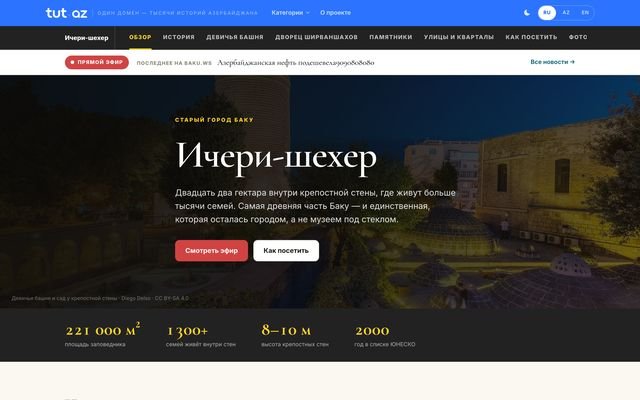
The old town inside Baku's fortress walls — its lanes, baths and caravanserais.
icherisheher.tut.az
Details →
Site directory
TUT.AZ is a directory of third-level domains. Every subject — a person, a place, an event, a city — lives on its own site with its own design, structure and address. Open a short card in the directory and step through to the site itself.
address system
These sites are finished — open and explore them. The rest are in progress.
The old town inside Baku's fortress walls — its lanes, baths and caravanserais.
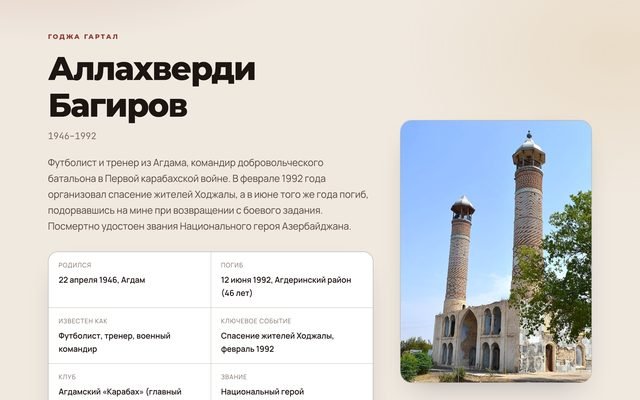
A footballer and coach from Aghdam who commanded a volunteer battalion in the First Karabakh War.
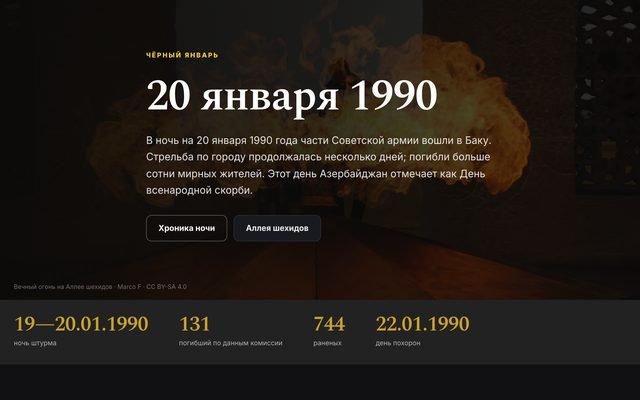
In January 1990 troops entered Baku — the origin of the Day of National Mourning.
The key entries of the catalogue — a good place to start.
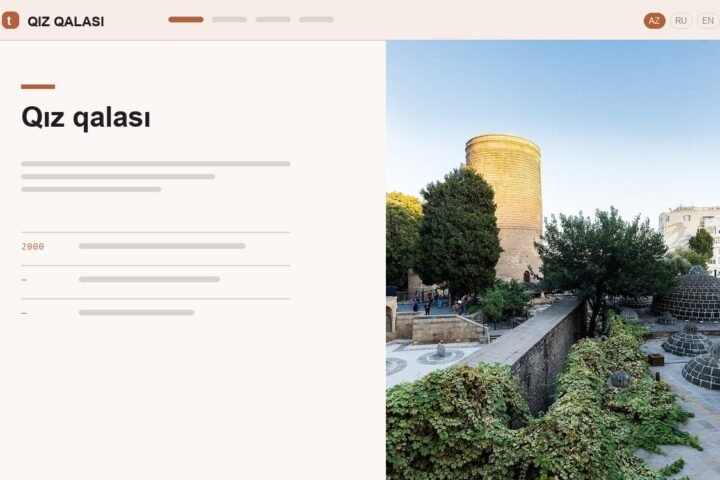
Baku's emblem: an eight-tier stone cylinder and the questions nobody has settled.
Three towers whose facades turn into an LED screen at night — the postcard of modern Baku.
An underground city running since 1967: mosaics, deep stations and everyday routes.
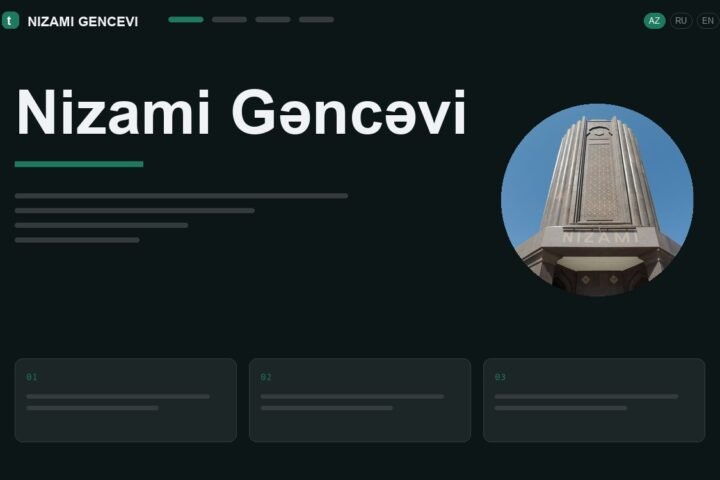
The 12th-century poet behind the Khamsa — born in Ganja and buried there.
Composer of the first opera in the Muslim East and founder of Azerbaijani classical music.
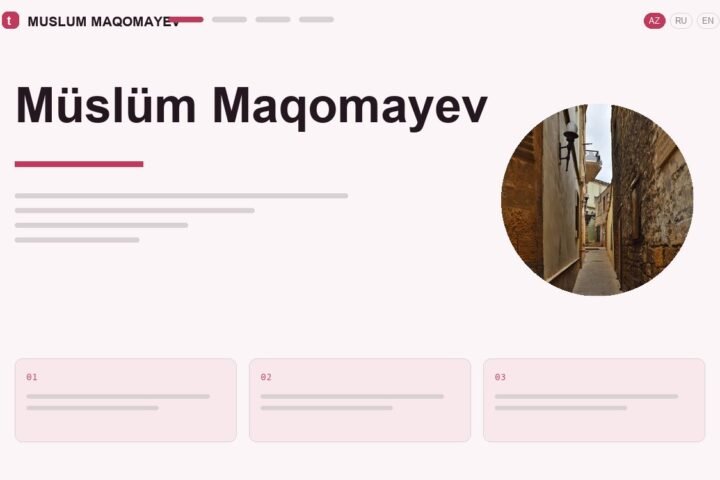
The Baku baritone who became the voice of several generations — from opera to pop.
All sites are grouped into five large sections.
From the fortress walls to the Flame Towers: places, transport, the fires of Absheron.
14Poets, composers, scientists, sportsmen — the people of Baku and the country.
1520 January, 28 May, independence, the army, oil — the country's biography.
9The carpet museum, opera, mugham, jazz, the Writers' Union and other institutions.
8Ganja, Sheki, Shusha, Quba, Nakhchivan, mountain villages and reserves.
9
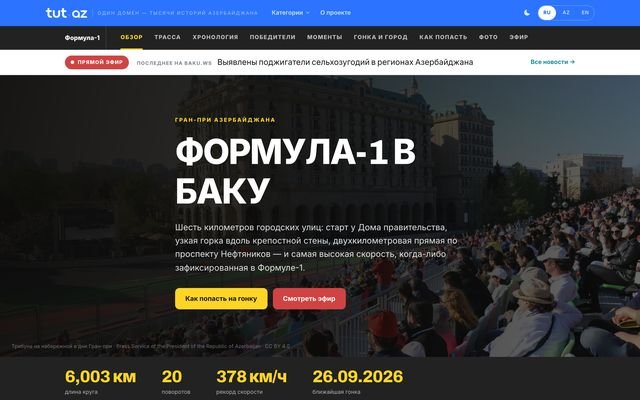
A Grand Prix on Baku's streets: six kilometres of track, a squeeze along the fortress wall and record speed.
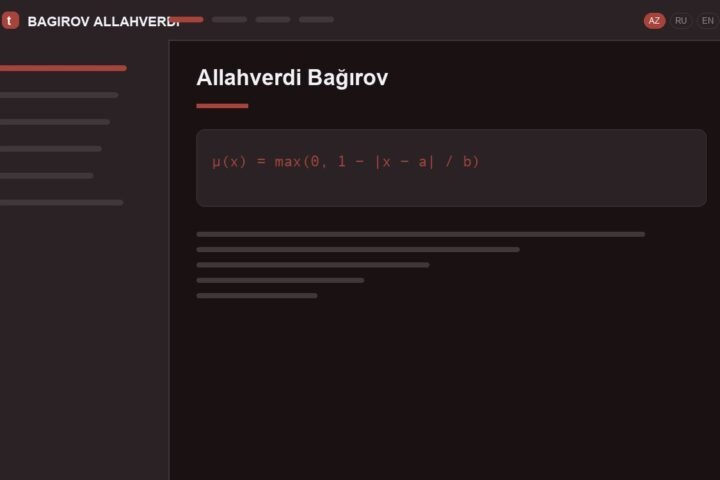
A footballer and coach from Aghdam who commanded a volunteer battalion in the First Karabakh War.
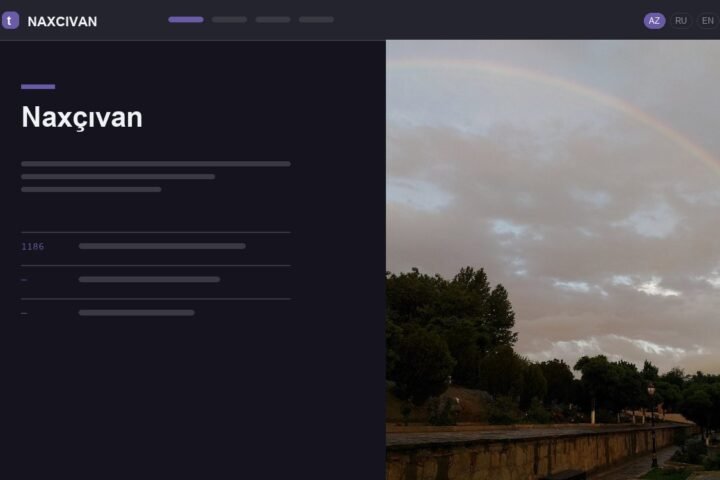
An autonomous republic and the tombs of Ajami Nakhchivani — a textbook of medieval architecture.
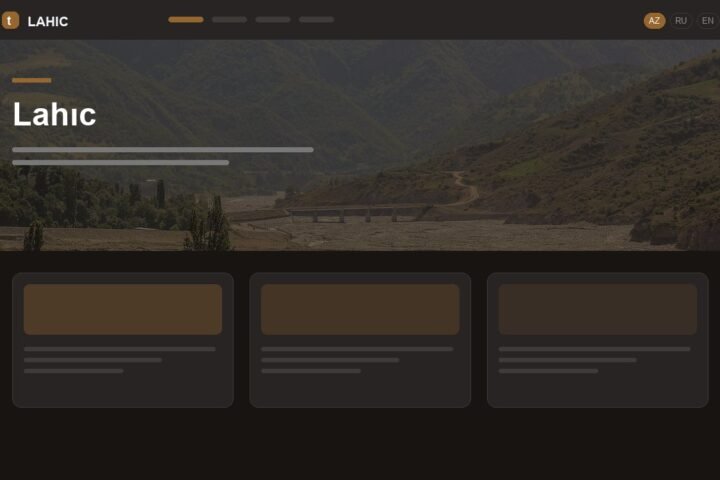
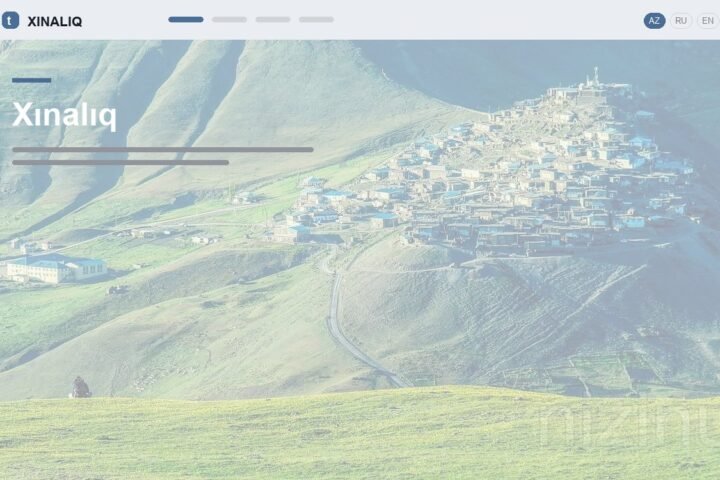
A village two thousand metres up, with its own language and a herding route on the UNESCO list.