

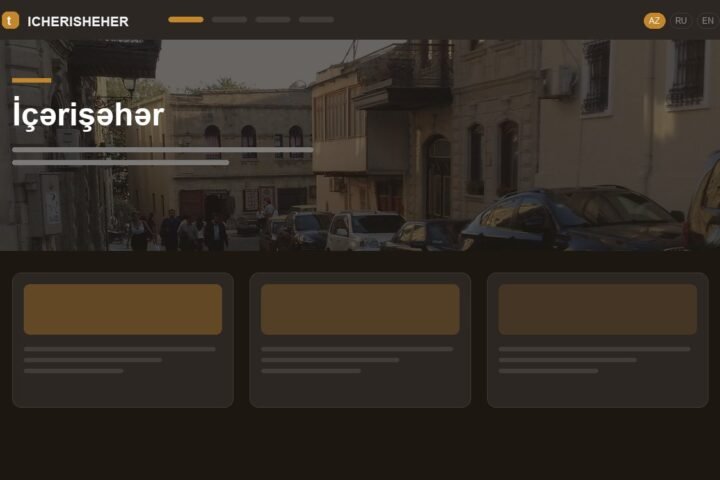
Icherisheher
The old town inside Baku's fortress walls — its lanes, baths and caravanserais.
icherisheher.tut.az
Catalogue
Every entry in the catalogue. Filter by search or pick a section.
The old town inside Baku's fortress walls — its lanes, baths and caravanserais.
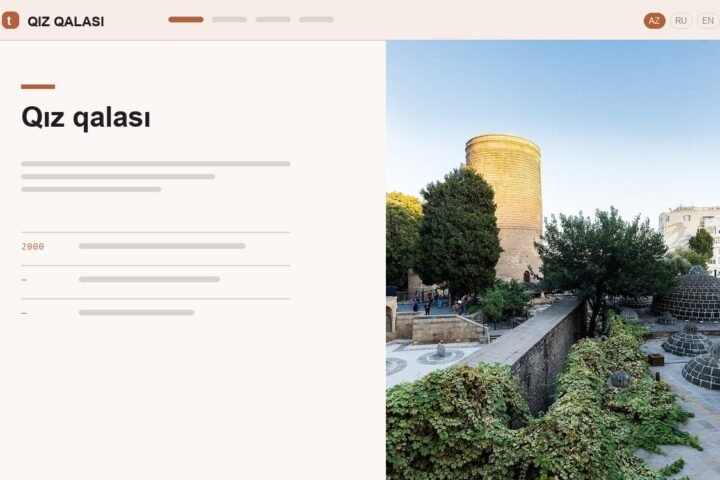
Baku's emblem: an eight-tier stone cylinder and the questions nobody has settled.
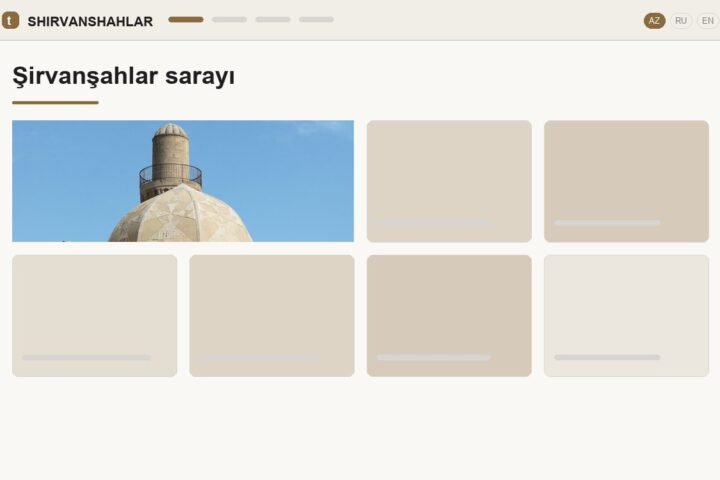
A 15th-century palace complex: divankhana, mosque, bathhouse and the rulers' tomb.
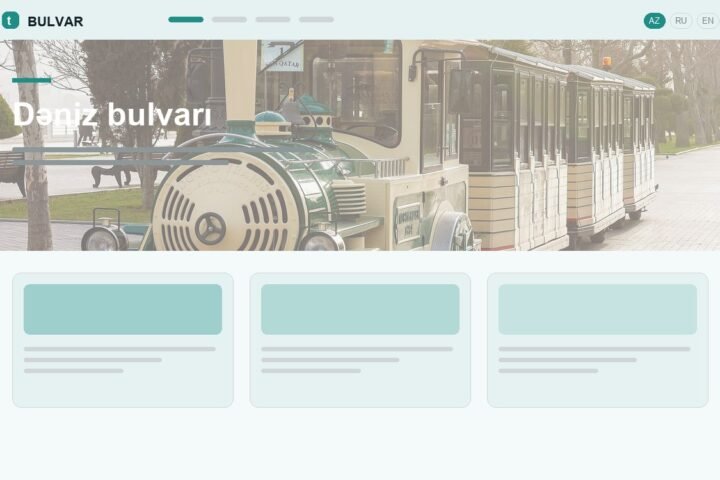
The seafront where Baku has been unwinding since 1909 — now a park tens of kilometres long.
Three towers whose facades turn into an LED screen at night — the postcard of modern Baku.

Zaha Hadid's building flows like a wave — a lesson in architecture without right angles.
An underground city running since 1967: mosaics, deep stations and everyday routes.
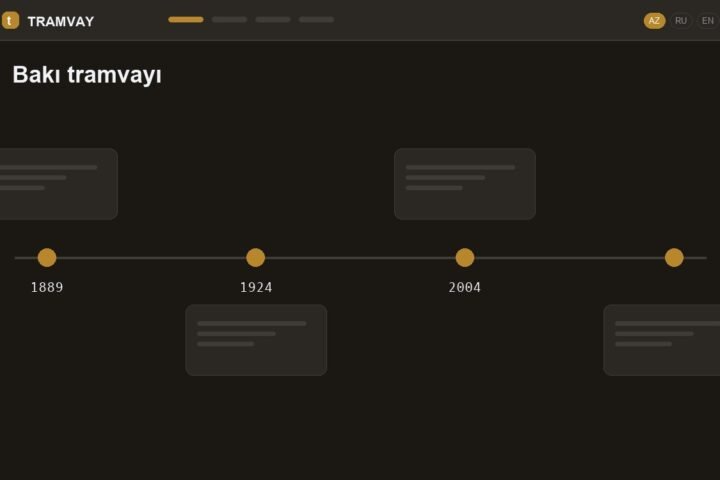
From the 1889 horse tram to the rails lifted in 2004 — the story of a network that vanished.
A short mountain railway from the boulevard up to the Alley of Martyrs — the city's simplest lift since 1960.
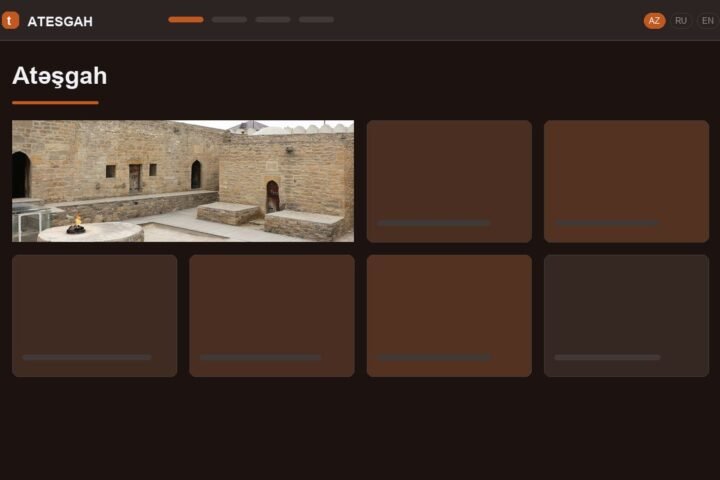
A pentagonal temple in Surakhani with a gas flame at its centre — the end of a pilgrims' road.
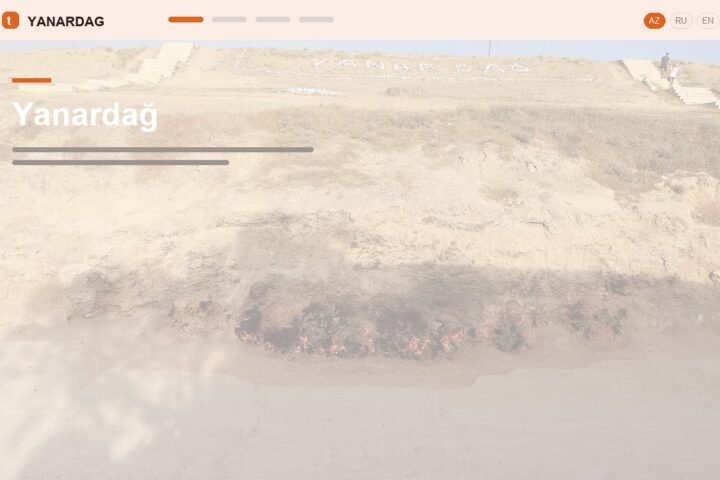
A hillside on the Absheron that has burned for decades — the plainest explanation of the “Land of Fire”.

A shrine demolished in 1936 and rebuilt at the end of the 1990s.
A Grand Prix on Baku's streets: six kilometres of track, a squeeze along the fortress wall and record speed.

A settlement on the Caspian shore: a sandy beach, a 17th-century mosque and the shrine behind its name.
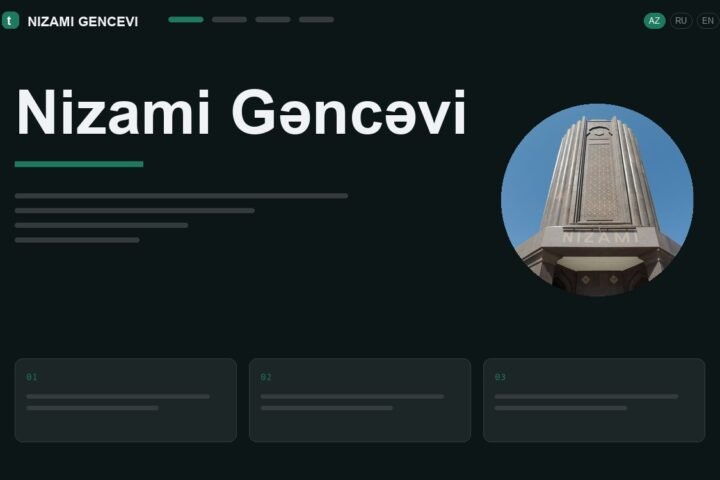
The 12th-century poet behind the Khamsa — born in Ganja and buried there.
Composer of the first opera in the Muslim East and founder of Azerbaijani classical music.
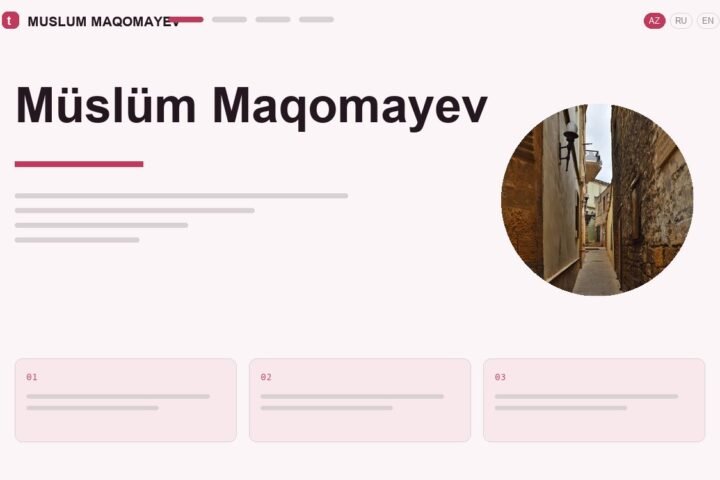
The Baku baritone who became the voice of several generations — from opera to pop.
The inventor of jazz-mugham, joining piano improvisation to the modes of mugham.
The composer whose ballets and symphonic music carried the Azerbaijani school into the 20th century.
The tenor the whole USSR knew after Arshin Mal Alan, and founder of the Song Theatre.

The painter of the “severe style”: oil workers, the Caspian, portraits — hard colour, exact composition.
The cellist and conductor born in Baku — one of the great musicians of the 20th century.
The linesman whose goal decision settled the 1966 World Cup final.
An ophthalmologist and academician who built a school of occupational eye medicine.
A footballer and coach from Aghdam who commanded a volunteer battalion in the First Karabakh War.
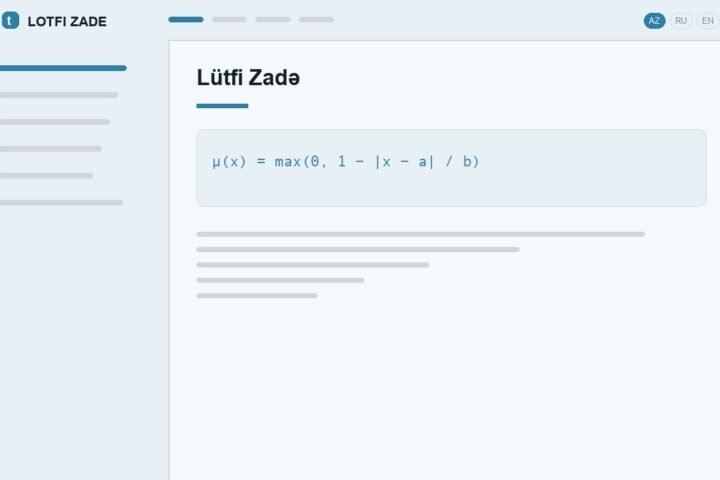
In January 1990 troops entered Baku — the origin of the Day of National Mourning.
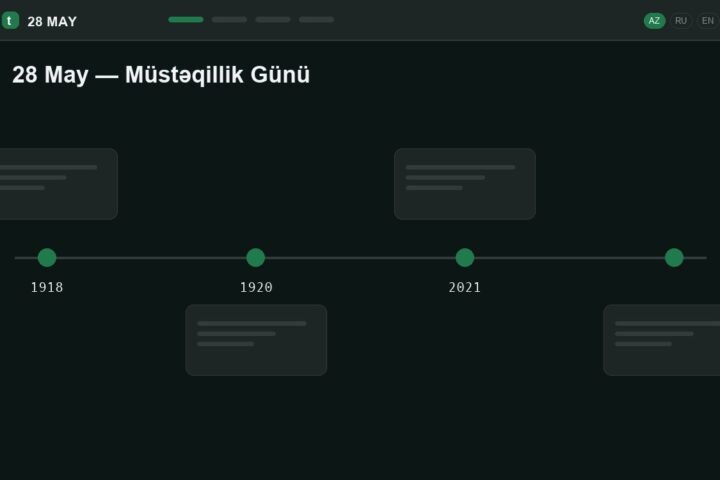
1918: the Azerbaijan Democratic Republic — the first parliamentary republic in the Muslim East.
The 1991 constitutional act marks the start of the modern Azerbaijani state.
The alley on Baku's upper terrace: the graves of January 1990 and the Karabakh wars.
A Mountain Jew born in Baku, a tank driver, and a National Hero of Azerbaijan.
From the national army of 1918 to today's armed forces — structure, history, symbols.
The state holiday marking the liberation of Shusha in the autumn of 2020.
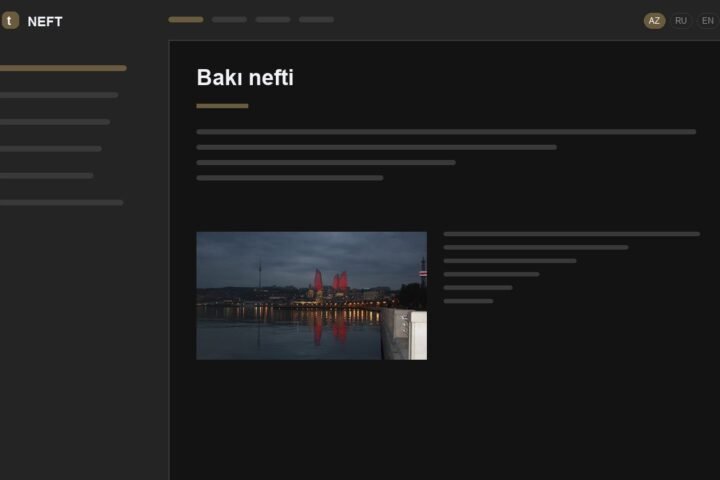
From the wells to the tanker port: the industry that built the city, its architecture and its fate.
A literary institution running since 1934: congresses, journals, arguments.
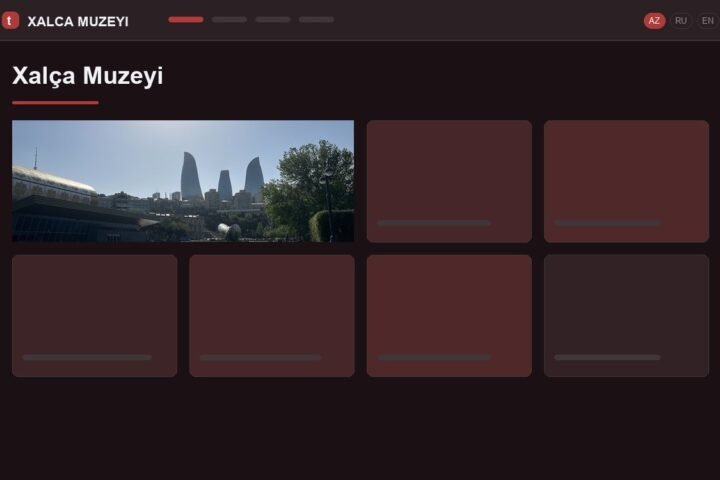
The world's first carpet museum — founded in 1967, in its new boulevard building since 2014.
The 1911 theatre building — the main address of Baku's musical stage.
The city's own jazz dialect: mugham modes, clubs, festivals and several generations of players.
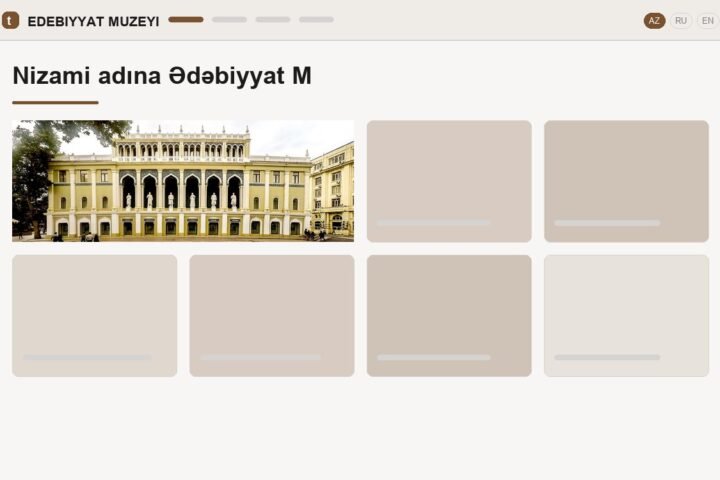
The building by Fountain Square with six writers standing on its facade.

Opened in 2009: halls without walls, skewed perspectives, art of the 20th–21st centuries.
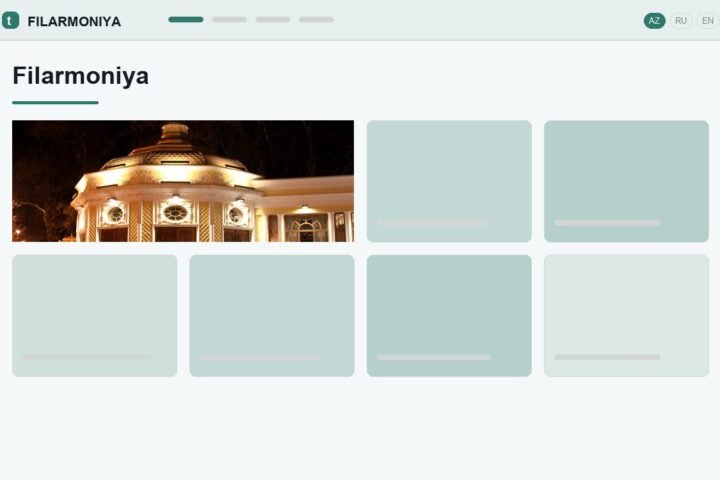
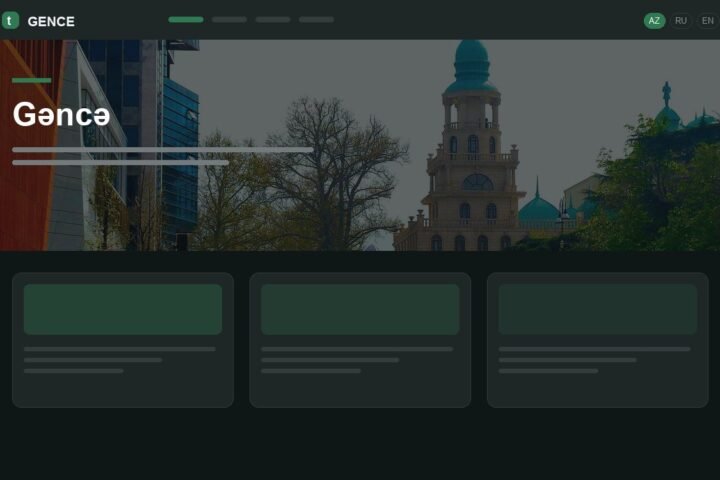
The country's second city: Nizami's home, Javad Khan's fortress, the town of the bottle house.
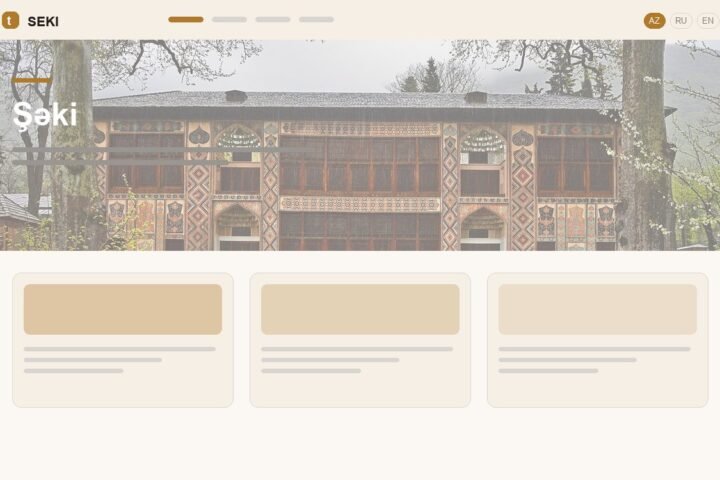
The khans' palace, shebeke windows, caravanserais and piti — a UNESCO-listed town.

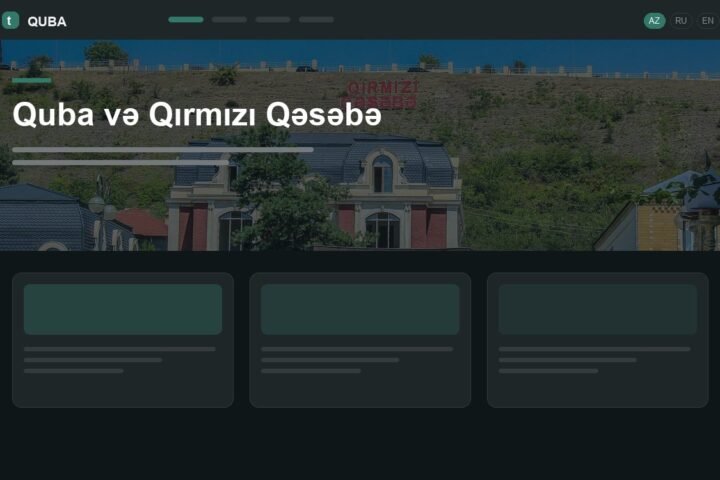
A town of apple orchards and, across the river, a settlement of Mountain Jews.
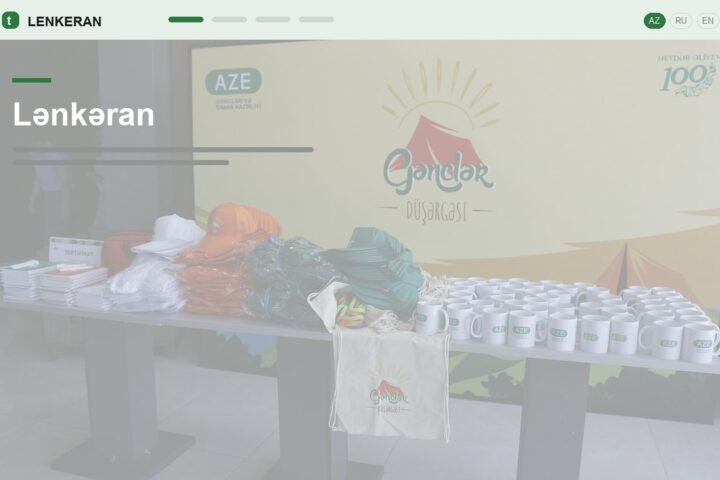
Subtropics on the southern Caspian: tea plantations, citrus and the Hyrcanian forests.
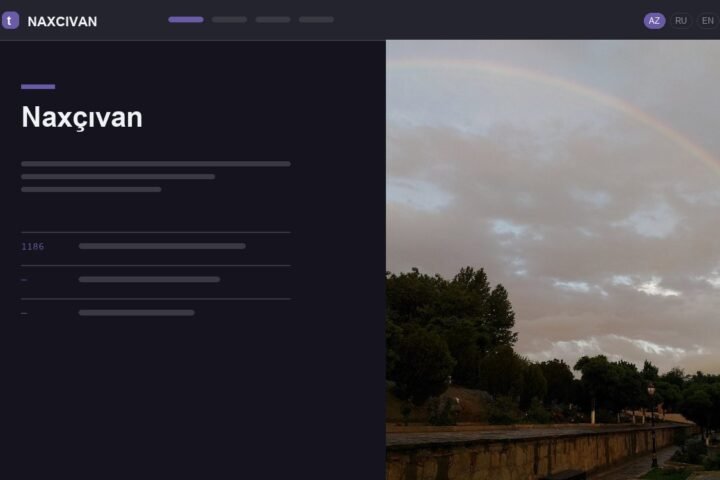
An autonomous republic and the tombs of Ajami Nakhchivani — a textbook of medieval architecture.
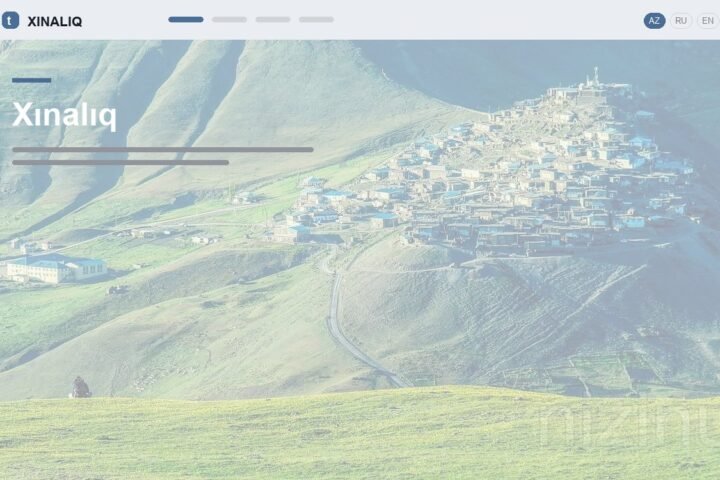
A village two thousand metres up, with its own language and a herding route on the UNESCO list.
Nothing found. Try another word.